A car breakdown can turn even the simplest journey into a stressful experience. While some issues are unavoidable, many of the most common causes can be prevented with regular maintenance and a bit of awareness.
In this guide, we break down the top reasons vehicles fail and what you can do to reduce your risk. And if the unexpected does happen, having reliable car breakdown cover ensures you’re never left stranded.
If you do find yourself stuck at the roadside, knowing how to stay safe and get help quickly can make a big difference. A few simple steps can help you manage the situation calmly while you arrange assistance.
Jump Links
1. Flat or faulty battery
Battery-related issues are the leading cause of a car breakdown, especially during colder months when batteries are under more strain. Short journeys and long periods without driving can also prevent your battery from fully charging.
Modern vehicles rely heavily on electrical systems, so even a slightly weakened battery can cause starting problems.
How to avoid it:
- Take your car for longer drives occasionally to recharge the battery
- Avoid leaving lights, dash cams, or chargers plugged in when the engine is off
- Get your battery tested annually, particularly before winter
- Replace it every 3–5 years or sooner if performance drops
2. Engine overheating
An overheating engine can escalate quickly from a minor issue to a major mechanical failure. It often happens when the cooling system isn’t functioning properly, causing internal components to overheat and potentially warp or seize.
Low coolant levels, leaks, or a faulty thermostat are common culprits.
How to avoid it:
- Check coolant levels regularly and top up when needed
- Look for leaks under your vehicle
- Ensure your radiator and cooling fans are working properly
- Never ignore a rising temperature gauge

3. Flat or damaged tyres
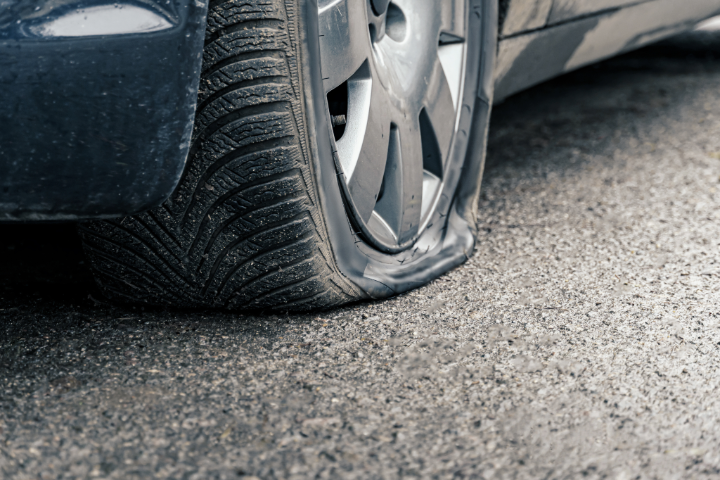
Tyre issues are one of the most visible and immediate causes of breakdowns. Driving on underinflated, worn, or damaged tyres increases the risk of punctures and blowouts, particularly at high speeds.
Road debris, potholes, and general wear and tear all contribute to tyre failure.
How to avoid it:
- Check tyre pressure at least once a month and before long trips
- Inspect tread depth (minimum legal limit in the UK is 1.6mm)
- Watch for cracks, bulges, or embedded objects
- Keep a spare tyre, jack, and repair kit in your vehicle
4. Alternator failure
The alternator plays a crucial role in keeping your car running by powering electrical systems and charging the battery while the engine is on. If it fails, your battery will quickly drain, leading to a breakdown.
This issue often develops gradually but can catch drivers off guard.
Warning signs:
- Dim or flickering headlights
- Electrical malfunctions (radio, windows, dashboard lights)
- Battery warning light appearing on the dashboard
- Difficulty starting the engine
5. Fuel problems
Running out of fuel remains a surprisingly common cause of car breakdown callouts. In addition, misfuelling (putting petrol in a diesel car or vice versa) can lead to costly repairs and immediate immobilisation.
Modern fuel gauges are accurate, but over-reliance on “miles remaining” can still lead to mistakes.
How to avoid it:
- Refill your tank before it drops below a quarter
- Double-check the fuel type before filling up
- Avoid stretching fuel limits on long journeys
6. Starter motor issues
The starter motor is responsible for turning the engine over when you start your car. When it fails, your vehicle simply won’t start, even if the battery is fine.
This can be particularly frustrating because it often happens without much warning.
Signs of trouble:
- Clicking noise when turning the key or pressing the start button
- Intermittent starting issues
- Complete failure to start despite a charged battery
Prevention:
- Regular servicing
- Address ignition or electrical issues early
- Avoid repeatedly attempting to start a failing system
7. Clutch failure
Clutch wear is inevitable over time, especially in vehicles frequently driven in stop-start traffic or by drivers who ride the clutch. When it fails, gear changes become difficult or impossible.
A worn clutch can eventually leave your car undriveable.
Warning signs:
- Slipping gears (engine revs increase without acceleration)
- Difficulty shifting gears
- Burning smell from under the bonnet
- Reduced responsiveness
8. Electrical faults
As vehicles become more advanced, electrical faults are becoming an increasingly common cause of breakdowns. These can range from minor sensor failures to more serious issues with the car’s control systems.
Diagnosing electrical problems can also be more complex and time-consuming.
Common issues include:
- Faulty sensors affecting engine performance
- Wiring problems or loose connections
- ECU (Engine Control Unit) malfunctions
- Blown fuses impacting essential systems
9. Running out of oil
Engine oil is essential for lubricating moving parts and preventing overheating. If oil levels drop too low, it can cause severe engine damage within minutes.
Unlike fuel, low oil isn’t always immediately obvious which makes it a subtle but serious risk.
How to avoid it:
- Check oil levels regularly using the dipstick
- Top up with the correct oil type when needed
- Watch for oil warning lights on your dashboard
- Stick to your vehicle’s service schedule
10. Brake System Failure
Brake issues are among the most serious causes of a car breakdown, as they directly impact your safety. Problems can develop gradually or occur suddenly if components wear out or fail.
Ignoring early warning signs can lead to dangerous situations on the road.
Warning signs:
- Squealing or grinding noises when braking
- Vibrations through the steering wheel
- Reduced braking responsiveness
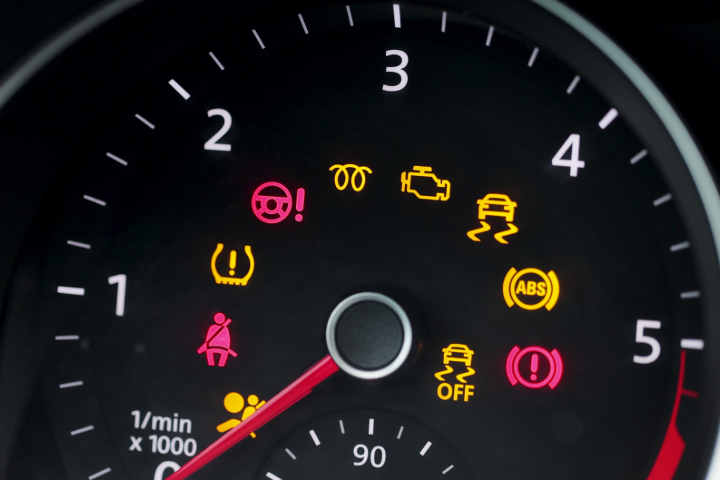
- Dashboard warning lights
Why having car breakdown cover is essential
Even the most well-maintained vehicle can experience unexpected issues. That’s why having car breakdown cover is a smart and practical investment.
A comprehensive policy typically includes:
- Roadside assistance if your car fails
- Recovery to a nearby garage or your home
- Home start if your car won’t start on your driveway
- Onward travel options so your journey can continue
When comparing providers, look for the best car breakdown cover UK drivers trust, focusing on reliability, response times, and the level of cover included.
A little prevention goes a long way
Understanding the most common causes of a car breakdown puts you in control. Regular checks, preventative maintenance, and early intervention can significantly reduce your chances of being stranded.
But no matter how careful you are, things can still go wrong. With the right car breakdown insurance, you’ll have the confidence that help is always just a phone call away.
Get breakdown insurance quote